
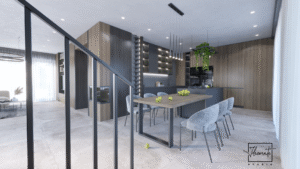
The concept of interior design is not limited to aesthetic, but includes a series of relevant aspects (comfort, style, personality, functionality and appearance), which neglected can prevent an ideal experience, in the true sense of the word, of the beneficiaries of a house. Each furniture, every color in the selected chromatic range and each light source contributes to a visual story that your home tells. Unfortunately, many houses lose their potential due to apparently minor errors in the design plan, but with a great impact on general harmony. The fundamental purpose of this article is to explore the most common errors of the interior design in order to avoid them in the future.

1. Overcrowding of space
One of the most commonly encountered errors in the interior design is the tendency to add more furniture and decorative elements than it really is necessary. Although we all want to expose as many loved ones as possible or represent us, the result is often a suffocating space, with a degree of ergonomics and deeply low practicality. One of the effective solutions is to opt for multifunctional furniture and maintain free areas that facilitate traffic. In a well -ventilated room, each space indicates more orders and consistency and every ornamental detail imports, being easier to see.
2. Choose inappropriate shades
Color is one of the most powerful decoration tools. The color palette represents a fundamental element in the interior design process, which has used an error can create an undesirable and even unpleasant effect. The situation described above can take place in the form of multiple scenarios. For example, if you choose to apply intense tones for large areas inside a house, it is possible to have the effect of the visual reduction of the space. To prevent this inconvenience, use vibrant colors in details, ornaments and accents – rugs, paintings, decorative cushions – and choose pastel or neutral tones for walls and furniture. A harmonious and intelligent chromatic palette will transmit elegance and balance.
3. By neglecting the lighting plan
An elegant, unique, welcoming and thematic space cannot be completely called without an adequate lighting strategy. Our advice is to install multiple sources of lighting and environmental emphasis. Depending on the central idea of customer design and preferences, it is possible to opt for a central chandelier for general light, floor lamps or applies by atmosphere and LED points or bands for work areas. It is essential to know that diffuse light is ideal for relaxation chambers and neutral for kitchens and offices.
4. Furniture with inappropriate proportions
A small living room with a huge sofa or a very small dining table in a generous space cancels visual harmony. The proportions of the furniture must be adapted to the size of the room. This is a very important step to obtain an intelligent, functional and welcoming result. Therefore, it measures the size that the room has before buying the necessary parts and objects and uses sketched plans in accordance with the measurements carried out. Personalized or versatile furniture can be a more intelligent long -term investment in this sense.
5. The chaotic mixture of styles
When the customer is not declared, having a large series of preferences regarding the appearance of the interior of his home, eclecticism is called. It is very difficult to obtain a coherent, elegant and optimal result when different decorative styles are combined, especially if different aspects are promoted. The scarcely planned mixture of multiple styles, such as rustic, industrial, classic or contemporary, can give the impression of disturbance and lack of consistency. You will have to choose one of those desired styles such as the main one, then add only some accents from other aesthetic trajectories.
6. Neglecting finishes and decorative objects
The integration of the ornamental elements represents a crucial phase in the interior design process, with the role of completion and customization. From decorative and textile plants, to themed backgrounds on the walls, any element of this type can exceptionally reflect the customer’s preferences and wishes. Their abandonment leaves the house without style and character. On the other hand, too many details can bring into excess, load and disorder at aesthetic, but also functional level. Keep in mind that when you select decorative elements, complete the color palette and the general style of the house.
7. Excessive and wrong inspiration of trends
Trends are and goes. Nothing is totally static when it comes to aesthetic standards and what is fashionable today may seem totally obsolete in a few years. A house should reflect your personality and satisfy all your needs, not to meet some decorative reference points. You don’t have to completely eliminate the idea of inspiring yourself from the trends, but you have to adapt them according to your personal style and the ergonomy of space. Permanent or difficult to replace the elements, such as the floor and large furniture, should be timeless and the trends can be integrated by easy details to change.

Avoiding these decorative errors is not an advantage only on the aesthetic level, but also on a functional level. A successful, complete and sophisticated design is built by an ideal balance between appearance and utility, with attention to detail and through an harmonious collaboration with the customer. By applying these principles, you will get a balanced, elegant, favorable and personality space.